vacuum casting
What is Vacuum Casting?
Perfect for Testing and Small Batch Production
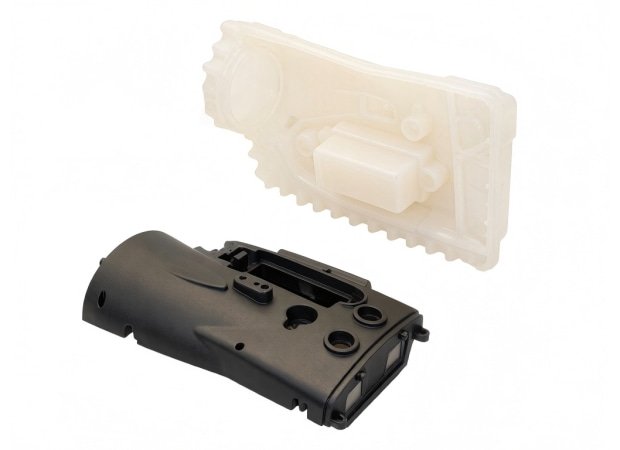
Vacuum Casting is a simple and fast way to make small quantities of plastic parts. It works by pouring liquid plastic into a silicone mold inside a vacuum chamber. This method is great for making strong, high-quality prototypes or final parts that look and feel like real production pieces. It’s often used when you need parts quickly for testing, presentations, or low-volume runs without the high cost of production tooling
Why Choose Vacuum Casting?
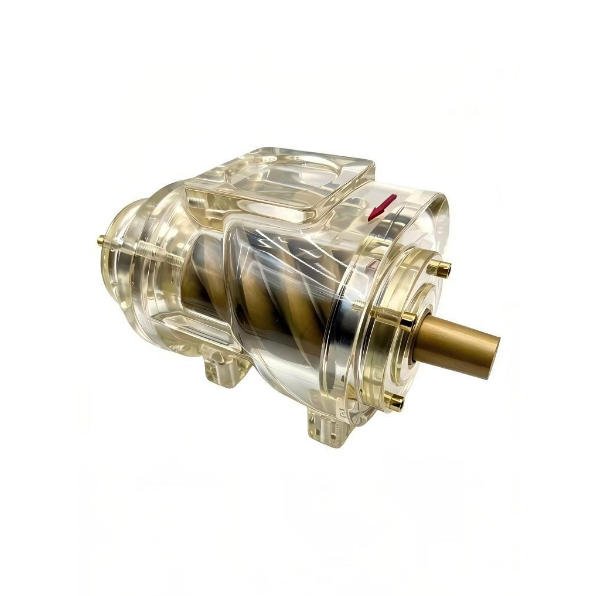
Vacuum Casting is a smart choice when you need plastic parts that look and feel like real injection-molded products, but without the high cost and long wait. Parts made with this process are strong and detailed, making them perfect for testing fit and function, showing to customers, or using as final products in small quantities.
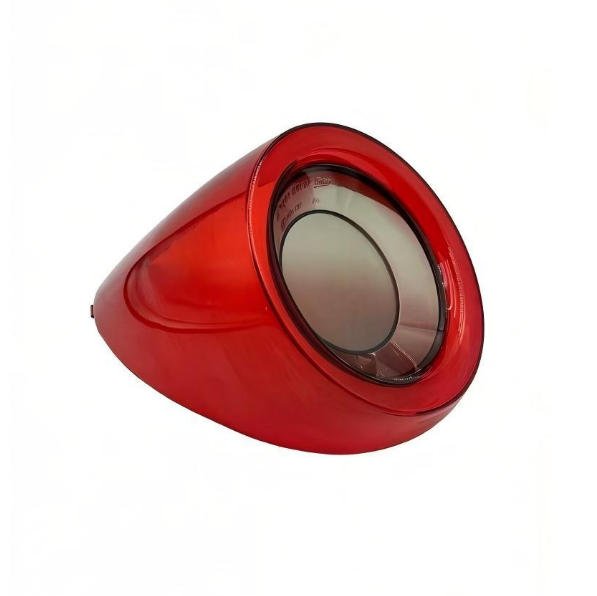
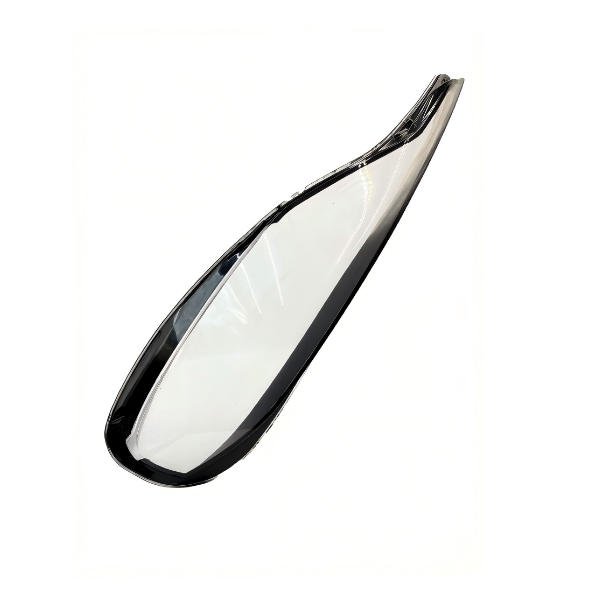
We can also apply various finishes to match exactly what you need, whether it’s a smooth surface, textured look, or even painting and electroplating.


What is Vacuum Casting?
Vacuum Casting is a process that uses a silicone mold to copy a master part. It’s a fast and affordable way to make small batches of plastic parts that are ready for use.
Key Benefits:
Fast mold making – Molds are ready in just a few days
Good for small runs – Each mold can make 20 or more parts
Low cost – Much cheaper than steel molds
Perfect for pre-launch testing – Test your product before mass production
Ideal for small series – Great for housings, covers, and similar parts
Many finish options – Paint, plating, and more to get the look you want
How Does Vacuum Casting Work?
Step 1 – Prepare the 3D model
Step 2 – Create the master part using CNC or SLA
Step 3 – Place the master in liquid silicone to form the mold
Step 4 – Pour polyurethane resin into the mold under vacuum
Step 5 – Finish and post-process the final parts