Surface Finishing
Surface Finishing Services
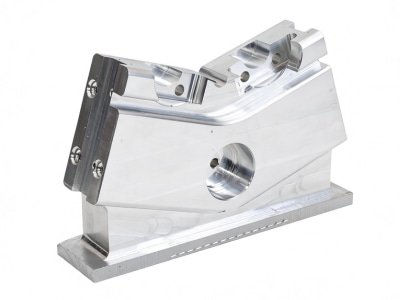
Deburring
Parts will be free from burrs and sharp corners. The simplest way to clean and finish machined parts.
Material Compatibility: All plastics and metals
Surface Roughness: 3.2 μm”
Sand Blasting / Bead Blasting
This process involves forcibly propelling a stream of abrasive material against a surface under high pressure. It is used to smooth rough surfaces, roughen smooth surfaces, shape components, or remove contaminants.
Material Compatibility: All metals
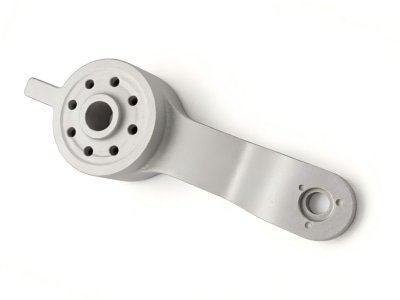
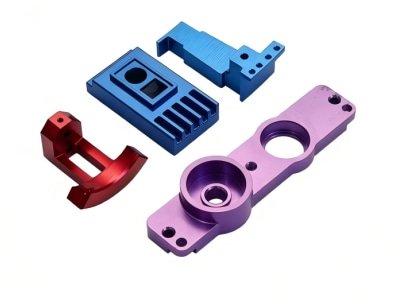
Anodized
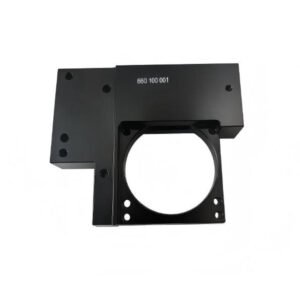
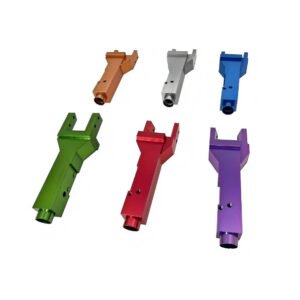
An electrochemical process that converts the metal surface into a durable, corrosion-resistant anodic oxide finish. Commonly applied to aluminum parts, it also allows for various color options and improves wear resistance.
Material Compatibility: Aluminum (and its alloys)
Chemical Film ( Chem Film)
Also known as Alodine or Chromate conversion coating, this chemical treatment provides corrosion resistance and creates an excellent base for painting or adhesion. It maintains electrical conductivity and is widely used in aerospace and military applications.
Material Compatibility: Aluminum, cadmium, copper, magnesium, silver, zinc
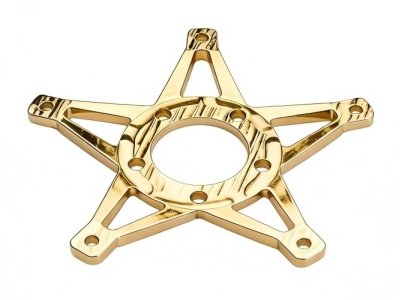
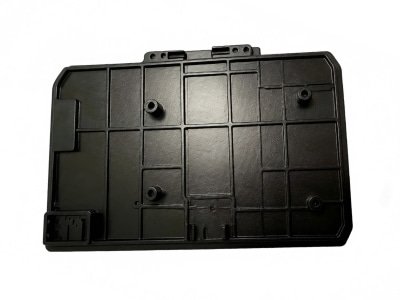
Powder Coating
Also known as electrostatic painting, this process applies dry powder to metal surfaces and cures it under heat to form a durable, uniform finish. It offers excellent resistance to chipping, scratching, fading, and corrosion, and is more environmentally friendly than liquid paints.
Material Compatibility: Aluminum, steel, stainless steel, galvanized steel, brass, copper, and most other metals.
High Polishing / Mirror Polishing
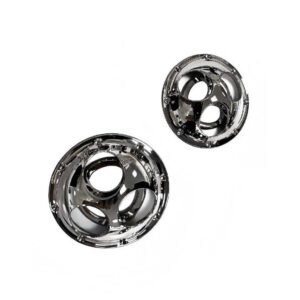
Starting with sandpaper from 320# to 1500#, and finally using polishing paste, the processed surface becomes highly smooth without any visible marks or machining lines. Ideal for optical/lighting system components or cosmetic parts.
Material Compatibility: All metals
Surface Roughness: 3.2 μm – 0.4 μm

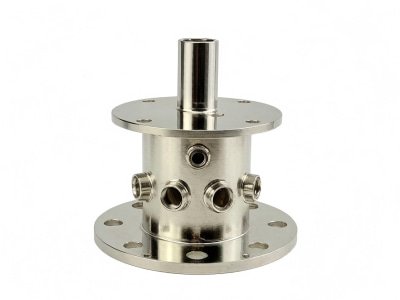
Electropolishing
Parts are first brushed with aligned marks as much as possible to remove all machining marks. They are then processed through electropolishing. We use Scotch-Brite, sandpaper, and other manual finishing techniques as needed.
Material Compatibility: Mainly Stainless Steel
Vapor Polishing
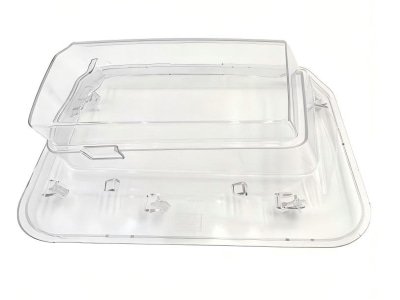
A method of polishing plastics (such as Polycarbonate) to reduce surface roughness and improve clarity. The component is exposed to a chemical vapor, causing the surface to flow and resulting in a smoother finish.
Material Compatibility: PC